
10 Best Kitchen Knife Safety Tips
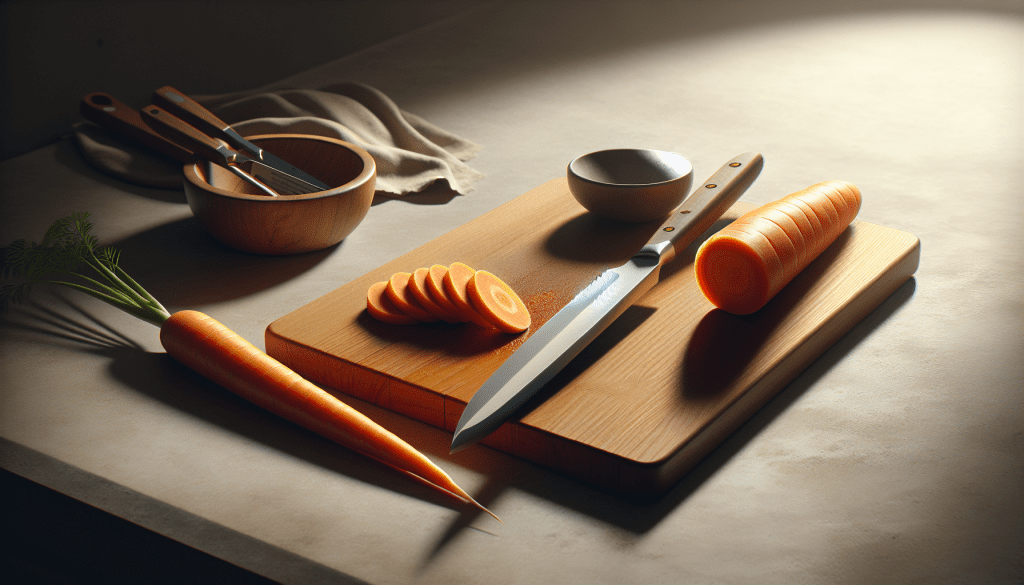
- Never use a cutting board made of metal, glass, stone, or ceramic, which can damage your blade. Instead, use cutting boards made of wood or plastic, which are easier on knife edges. Never use your hand as a cutting board.
- Stabilize the cutting board by putting a damp towel or silicone trivet under the cutting board.
- When slicing or chopping food, hold the food with your hand in a claw with your fingertips curled under. Use your knuckles to guide the blade as you cut. This may feel weird the first time or two, but you’ll get used to it. And having fingertips is really nice.
- Cut round fruits and veggies like carrots, apples, and onions in half first to create a flat side. Put the food flat side down on the cutting board so it doesn’t roll under the blade.
- Take your time when cutting. Focus on what you’re doing. Don’t let yourself get distracted. Keep distracting people and things out of the kitchen when cutting and chopping.
- Hold the knife in a secure grip and don’t put your index finger on the back of the blade. While it might seem to give you more control, the reality is that it does just the opposite. The knife is far more likely to slip with your finger on the blade.
- Don’t attempt to chop faster than you’re comfortable with. It may look impressive on TV, but leave the high-speed chopping to professional chefs.
- When peeling apples, carrots, potatoes and other skinned veggies and fruit, use a peeler rather than a paring knife.
- Use a paper towel to grip slippery meat while cutting or deboning it.
Also consider using a cut-resistant glove.
- Dry your hands before you begin cutting. Wet hands can slip while chopping, resulting in blood contaminating your food. And blood doesn’t taste very good.